C. diff decontamination in Colorado Springs, CO
Licensed Colorado Springs C. diff decontamination pros, upfront flat‑rate pricing, fast scheduling and reliable local service.
What's included
How it works
C. diff decontamination FAQ
Do you provide free estimates?+
Which neighborhoods in Colorado Springs do you serve?+
What payment methods do you accept?+
How much does biohazard cleanup cost in Colorado Springs?+
Who do I call for a biohazard cleanup emergency in Colorado Springs?+
How can I verify a biohazard cleanup company in Colorado Springs is licensed and legitimate?+
C. diff decontamination in Colorado Springs
When a sewage backup occurs in your Colorado Springs property, the introduction of Clostridioides difficile, commonly known as C. diff, presents a distinct health hazard that standard cleaning cannot address. C. diff is a spore-forming bacterium that can survive on surfaces for extended periods and is resistant to many common disinfectants, including alcohol-based hand sanitizers and bleach solutions at typical concentrations. Decontamination requires a targeted, multi-step process. First, the affected area is isolated to prevent spore migration to other parts of the building. All porous materials that cannot be effectively disinfected, such as carpet, padding, drywall, and insulation, are removed and disposed of as biohazard waste. Hard, non-porous surfaces are then cleaned using an EPA-registered sporicidal disinfectant with a specific dwell time necessary to kill C. diff spores. This may involve multiple applications and mechanical scrubbing to break the spore barrier. After treatment, surface verification testing is often performed to confirm the absence of viable spores before the area is considered safe for reoccupancy. This level of detail is critical because C. diff infections can be severe and recurrent, particularly for individuals with compromised immune systems or those on antibiotics.
In Colorado Springs, the risk of C. diff contamination from sewage backups is heightened by the local infrastructure and climate. Older neighborhoods such as Cragmor and Fairfax have aging sewer lines that can fail under stress, while areas like Downtown and the Estates at Wolf Ranch may experience backups from heavy snowmelt or sudden rain events. When raw sewage enters a property, it can carry C. diff spores from municipal waste streams. Once introduced, these spores can linger in cracks, crevices, and under flooring for months if not properly decontaminated. The dry climate of Colorado Springs does not naturally degrade these spores; they remain viable and can become airborne during normal activities like vacuuming or walking. General water damage restoration or standard sewage cleanup does not include the specialized protocols needed for C. diff. Our team follows established guidelines from the CDC and EPA for spore control, using proper containment, personal protective equipment, and disposal methods to ensure that the contamination is fully remediated and does not spread to other parts of your home or business.
Areas We Cover in Colorado Springs
We provide C. diff decontamination services across Colorado Springs, including neighborhoods such as Bonnieville, Cragmor, Divine Redeemer, Downtown, Estates at Wolf Ranch, and Fairfax. Our crews are familiar with local landmarks like 1st Drive, 21st Street Dental Group, 24 Hour Fitness, and 2Nutritious Smoothe Bar, allowing us to respond efficiently to your location. Whether your property is near the central business district or in the residential areas east of I-25, we are equipped to handle the specific challenges of C. diff contamination following a sewage backup.
What to Expect
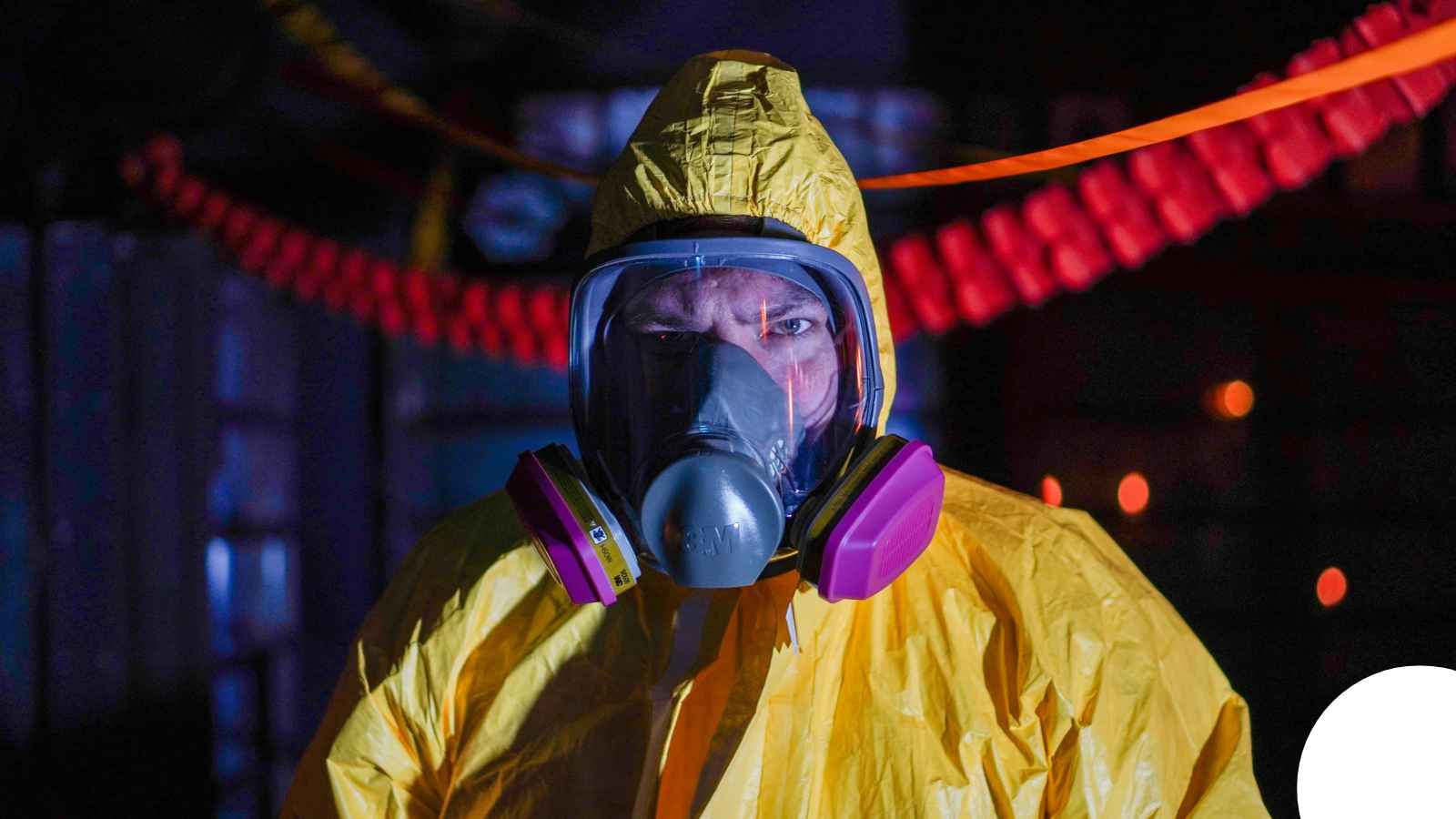
When you contact us for C. diff decontamination, expect a methodical and safety-focused process. Our team arrives in full protective gear, including Tyvek suits, gloves, and N95 respirators. We assess the affected area using visual inspection and moisture detection to identify all contaminated surfaces. The area is sealed off with plastic sheeting and negative air pressure if necessary. We remove all porous materials that cannot be disinfected, bagging them for proper disposal. We then apply a sporicidal disinfectant to every hard surface, ensuring the correct contact time is met. After cleaning, we may use HEPA vacuuming and air scrubbers to capture any remaining airborne spores. We conduct final verification testing to confirm the area is free of C. diff before clearing the space for reoccupancy. This process is not a standard cleaning; it is a specialized remediation designed to eliminate a resilient pathogen.
If you suspect C.